
More than four years after the pandemic’s start, employers continue to be challenged with implementing return to work programs. While working from home has been a game changer for many (especially caregivers), it’s important to recognize the benefits of commuting, or the benefits we lost when commuting disappeared in 2020. Employers could do more to highlight the boost commuting can bring to physical and mental well-being. In this post, Julian, a rising high-school Sophomore in Boston who has a part-time job that he commutes to, reminds us of these benefits.
As we transition out of the pandemic where many of us were confined indoors, we have become reintroduced to the idea of commuting to work. While working from home provided convenience and comfort, it also led to a more sedentary lifestyle which has had many negative effects on energy levels and social interactions. As we move back to more traditional work environments, commuting can play a crucial role in re-establishing healthy routines.
Mental and Physical Health Benefits
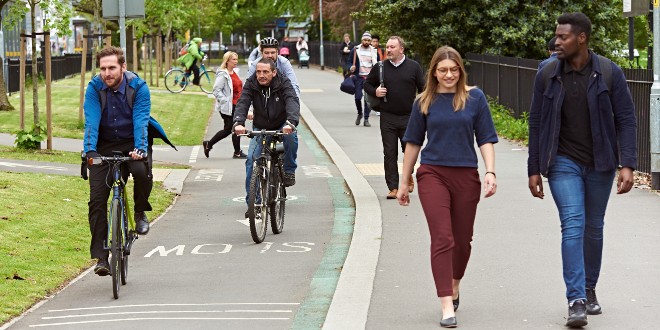
- Mental Health: After prolonged periods of isolation, commuting can help combat feelings of cabin fever and loneliness. The change of scenery and the act of moving through different environments can be refreshing and mentally stimulating.
- Physical Activity: Walking or cycling to work provides a built-in exercise routine. Although it won’t get you in perfect shape it can drastically impact metabolism levels, providing you with long lasting energy for the day. Even using public transportation can involve walking to and from stations, which can get your blood flowing, sending oxygen to your muscles and brain.
Social Interaction and Community Engagement
- Social Interaction: Interacting with people in person can also help. By tapping into our primitive nature which tells us that being in groups is better for our survival, interacting with people can increase our happiness. In addition, not being physically with other people can make us depressed and tired.
Variety in Commuting Methods
Now that we have covered why commuting to work is beneficial to daily routines, it is important to mention different types of commutes and the benefits they can provide.
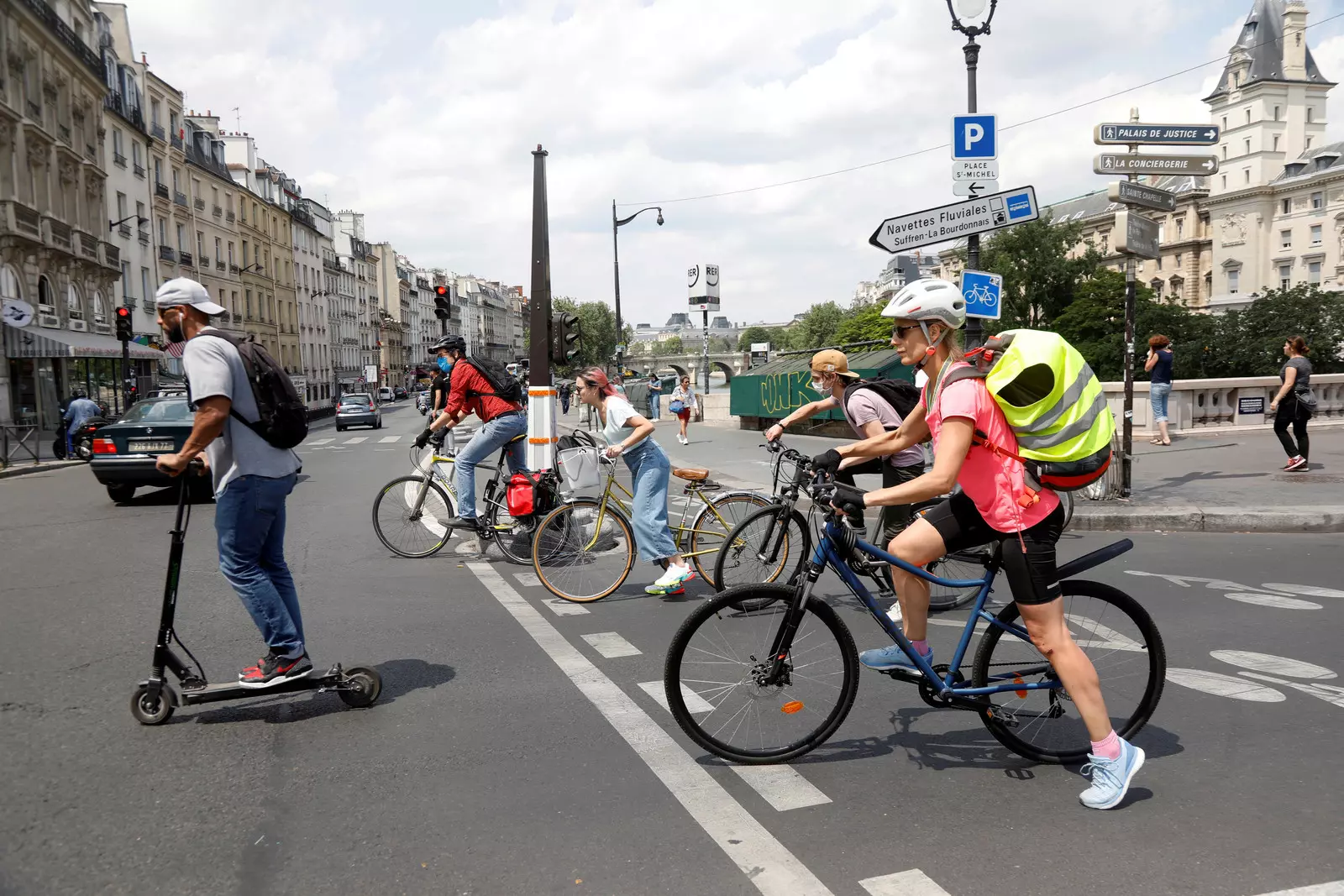
- Public Transportation: Using buses, trains, or trams can reduce the environmental impact compared to driving alone. It’s a more sustainable option that can also reduce stress by avoiding the hassles of traffic and parking.
- Cycling: cycling is not only a great form of exercise but also an eco-friendly way to commute. Many cities have improved cycling infrastructure, making it a safer and more viable option than ever. This option also allows you to skip traffic and travel long distances in a short amount of time. In addition, it is cheaper and requires less maintenance than owning and driving a cars. I personally recommend cycling as the best option for you, and the environment.
- Carpooling: Sharing rides with colleagues or neighbors can cut down on the number of vehicles on the road, thus reducing carbon emissions and traffic congestion. It also offers a chance for socializing and splitting travel costs.
Re-establishing Work-Life Boundaries
- Transition Time: Commuting can serve as a buffer time between work and home life, allowing individuals to mentally switch gears. This separation is essential for maintaining a healthy work-life balance. Working from home often means the boundary between work and home life becomes blurred and it it becomes harder to unwind at home.
As we return to workplaces, considering various commuting options can help in reaping the full benefits of leaving the house. Whether for physical health, social engagement, or environmental reasons, the act of commuting offers more than just a route to work—it can significantly enhance overall well-being.
What about your commute?
Are you commuting to work or school? Do the benefits of your commute outweigh the costs in your view (expense, time, stress etc.)? Share your perspective through our survey (for every 50 responses, we will raffle off a $50 gift card), or in the comments below.
 Happy Commutes